

Powered by
MOMENTUM
MEDIA

For the global senior partner and the Asia-Pacific head of Pinsent Masons, managing lawyers’ wellness means prioritising collaboration, trust, diversity, and sustainability.
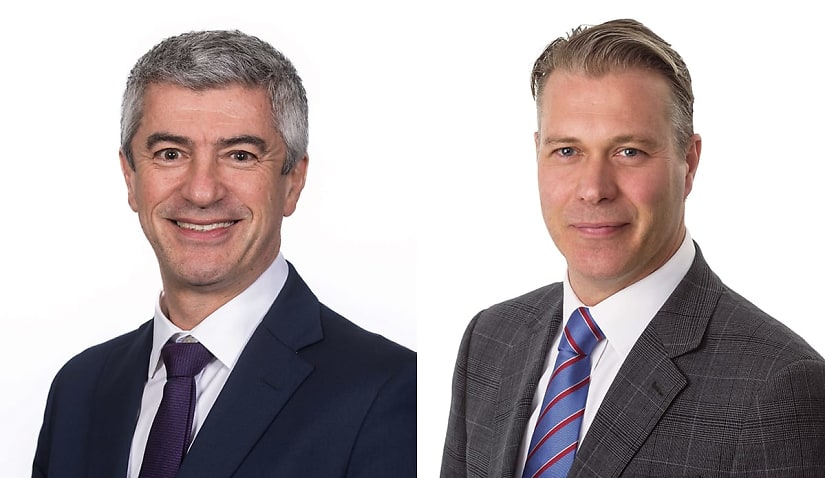

In a recent episode of Legal Firesides, Pinsent Masons global senior partner Andrew Masraf and head of APAC James Morgan-Payler unpack the opportunities they’re seeing in our region and why Australia is such an important part of the BigLaw firm’s trajectory.
When asked how they both view the wellness piece of the broader talent attraction and retention strategy for Pinsent Masons, the pair pointed to numerous avenues through which the global firm looks after its staff.
Morgan-Payler pointed to diversity across practice groups as a strength: “We have very diverse teams, and that reflects the client base and where we do the work. A high level of diversity creates, we think, a very positive culture, and a culture where we haven’t got people chained to desks working all through the night.”
“We don’t run the business in that way. We have a culture of people who are involved in lots of different matters in lots of different jurisdictions, working hard at some periods, and less hard at other periods, and working together as real teams and at a partnership level.”
Collaboration is also key, Morgan-Payler went on: “I think [Pinsent Masons] is a firm where people are encouraged to work together on projects. People aren’t encouraged to work in silos by themselves with one or two lawyers, and no one knows what they’re doing and they’re there until all hours. It’s an environment where when there’s work to be done, as many partners and lawyers as possible can get involved in those projects. And, if someone can get involved from a different jurisdiction, that’s even better.”
On that latter point, Masraf agreed that working across time zones adds a layer of consideration for others’ circumstances.
“It’s so easy, in a global firm, to not fully appreciate that a morning call in London on a Friday is not a particularly sociable time to have a call if you’re elsewhere. And the firm actually takes that really seriously. Why is it important? Beyond the individual, it’s also about building a sustainable business. You don’t want to burn people out,” he said.
Masraf reflected on having worked with a former British Olympian, who advised that athletes competing at the Olympic Games are not doing so for every day of a four-year cycle; they have downtime periods for recovery.
“I do think, when I look back over my career in law, we’ve occasionally thought of ourselves as Olympians every day. And that’s not really sustainable on a human level. And so, just thinking about wellness, mental health, and that sustainable piece for individuals in the business is really important,” he said.
Following on from Masraf’s point about sustainability, Morgan-Payler said that firms like Pinsent Masons need partners and lawyers who trust each other, if the environment is to remain sustainable and collaborative.
“You need to develop a sense of community, and once you’ve created that, people want to help each other, they want to step in, and people are happy to let other people take over when they’re not there,” he said.
“At Pinsent Masons, I think any client would say it’s a culture where we don’t just have one touch point, there are multiple touch points, and we know that their lawyers are talking to clients directly, and we know that the partners are working with each other as a team. If you can create that environment, you just don’t have the problem.”

