

Powered by
MOMENTUM
MEDIA

For the first time in Australia’s history, a climate change case has reached the nation’s highest court – a landmark moment that could reshape how coal and fossil fuel projects are assessed, approved, and challenged across the country for years to come.
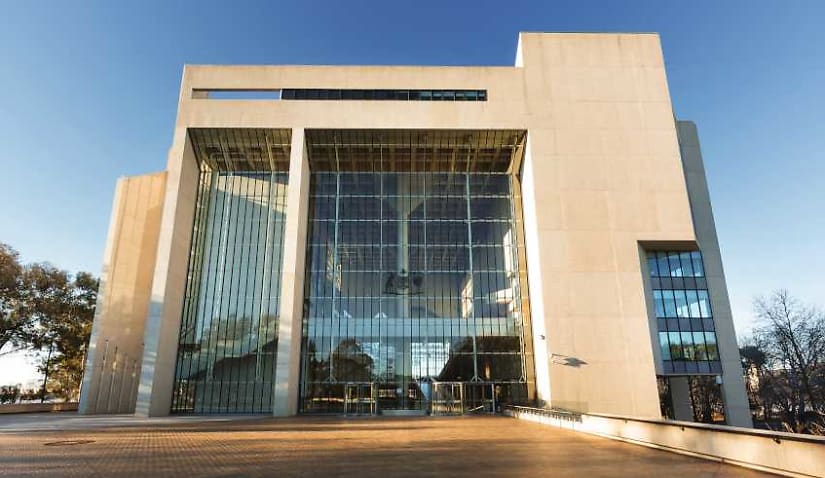

In a landmark moment for Australia’s climate future, a historic legal challenge over the approval of fossil fuel projects has reached the High Court of Australia, becoming the first climate change case ever to be heard by the nation’s highest court.
The proceedings, heard on 13 May, stem from a challenge brought by a grassroots Hunter Valley community group over the approval of a major expansion to the Mount Pleasant open-cut coal mine near Muswellbrook.
The original case was initiated by Denman Aberdeen Muswellbrook Scone Healthy Environment Group (DAMS HEG), which challenged the Mount Pleasant Optimisation Project on climate grounds.
MACH Energy Australia is seeking to overturn a unanimous July 2025 NSW Court of Appeal decision that found the mine’s approval unlawful, ruling that planning authorities are legally required to consider the specific local climate impacts of a project’s downstream emissions.
At stake is whether Australian planning authorities must factor in the climate consequences of approving coal, gas, and other fossil fuel developments, a question that could establish a binding national precedent and reshape environmental approvals across the country.
DAMS HEG president Wendy Wales warned that regional NSW communities are already facing escalating climate disasters, arguing continued approval of major fossil fuel projects like the Mount Pleasant expansion is “throwing fuel on the fire” while prioritising short-term gain over long-term consequences.
“Our communities are enduring increasingly terrifying climate disasters, and nature is deteriorating before our very eyes,” Wales said.
“Yet our governments are continuing to throw fuel on the fire by approving massive new projects and expansions like MACH Energy’s Mount Pleasant Optimisation Project.
“We have felt the catastrophic impacts of droughts, bushfires, floods, and a myriad of other tragic events. The short-term economic benefits can not be given priority over the exponentially increasing long-term consequences.”
The case has also drawn significant international attention, as it tests whether domestic law can hold fossil fuel projects accountable for their local contribution to climate change.
Just hours before the NSW Court of Appeal handed down its decision last year, the International Court of Justice (ICJ) delivered an advisory opinion finding countries could bear responsibility under international law for climate damage linked to fossil fuel exports.
Australia had argued before the ICJ that it bore no responsibility for emissions from its coal and gas exports, but that position was rejected by the court.
Adding further weight to the proceedings, four major climate law and science institutions – including representatives from the universities of Cambridge, Columbia, and Melbourne, as well as the Union of Concerned Scientists – have been granted leave to intervene in support of the community group DAMS HEG.
The High Court’s eventual ruling is expected to create a binding national precedent that could affect more than 18 coal proposals currently progressing through the NSW planning system, alongside other fossil fuel developments under consideration across the country.
International climate lawyer Tessa Khan warned that the High Court’s decision will have “far-reaching” implications, urging Australian governments to follow the UK’s lead and “pause fossil fuel project approvals” until policy is brought into alignment with the law.
Elaine Johnson, director of Johnson Legal representing DAMS HEG in the High Court proceedings, described the NSW Court of Appeal’s ruling as “truly groundbreaking,” stressing that it is already reshaping how new and expanded fossil fuel projects are assessed in NSW, with the High Court now set to decide whether the decision stands on appeal.
“Continued fossil fuel production is driving climate harms here at home, and Australia is still one of the largest exporters of coal in the world. We look forward to supporting our clients in their defence of the NSW Court of Appeal’s decision overturning the Mount Pleasant Coal Mine expansion,” Johnson said.
“The NSW Court of Appeal’s decision was truly groundbreaking, and is already changing how proposals for new and expanded fossil fuel projects are assessed in NSW. The High Court will now determine whether that decision holds at law on appeal.”

