

Powered by
MOMENTUM
MEDIA

Mining giant Fortescue has been ordered to pay Yindjibarndi native title holders a record $150 million for cultural loss and an approximate additional $100,000 for economic loss following the destruction of 124 spiritually significant heritage sites, displacement of artifacts from another 116, and damage to sacred songlines and laws.
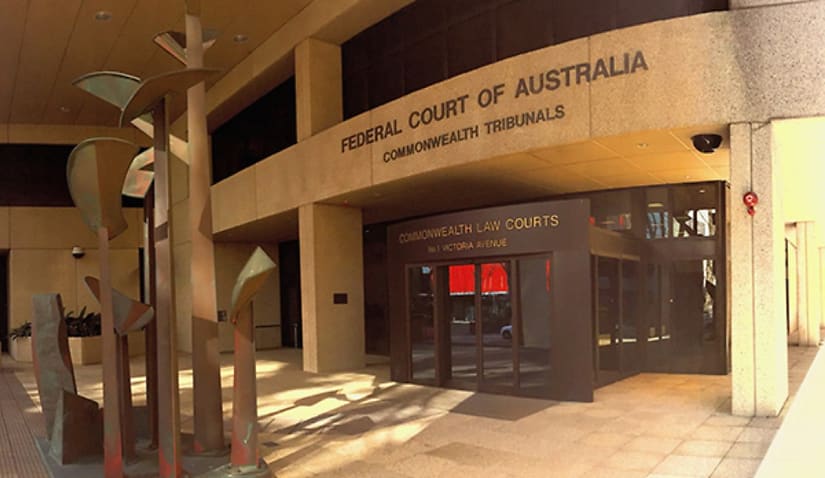

Following the Federal Court’s determination on 12 May, representatives from both the Yindjibarndi Ngurra Aboriginal Corporation (YNAC) and Fortescue (FMG) have issued statements.
YNAC Group CEO Michael Woodley noted that the court demonstrated understanding of cultural losses, acknowledged the significant damage to the sites, and accepted evidence about “our deep spiritual connection to country and the physical and emotional impact of the mine suffered by Yindjibarndi witnesses”.
In this way, he said: “We welcome the court’s decision that determined that FMG is now liable.”
However, he characterised the $150 million awarded for cultural loss as “the amount the broader Australian community would regard as appropriate”.
“The court did not accept our argument that the economic losses should be assessed based on the usual royalty rate paid by miners in the Pilbara for native title agreements, i.e. around 0.5 per cent of FOB (free on board) revenue generated by the mine,” he said.
The land in question was described by the court as “generating tremendous revenue for both FMG and the state by way of royalties collected in accordance with the state’s mining legislation”.
Woodley argued that the wealth from the lands must be reflected in the Yindjibarndi community.
Fortescue accepted the decision, with a spokesperson stating: “Dr Andrew Forrest and Fortescue care deeply about all First Nations people, including the Yindjibarndi community.”
“Fortescue accepts that the Yindjibarndi people are entitled to compensation. The company has agreed to and pays financial compensation under all of its other seven native title agreements.”
The statement reinforced strong relationships with the First Nations people in the Pilbara region of Western Australia and noted the existence of “dedicated heritage, native title and community teams working hand in hand with traditional custodians to ensure cultural heritage is managed sustainably and responsibly”.
Woodley also noted the state government’s position in opposition to the Yindjibarndi, where it “could have adopted a neutral position on the amount of compensation in this case and left the other parties to fight this out in court.”
He urged the West Australian government to readjust priorities to working on behalf of everyone in the state, which includes allowing traditional owners “to achieve prosperity and good life from mining on our own Ngurra”.
“We also want to say we are not the enemy of the state when it comes to mining,” he said.

