

Powered by
MOMENTUM
MEDIA

The West Australian government wants an independent watchdog that will investigate complaints made against the state’s judicial officers.
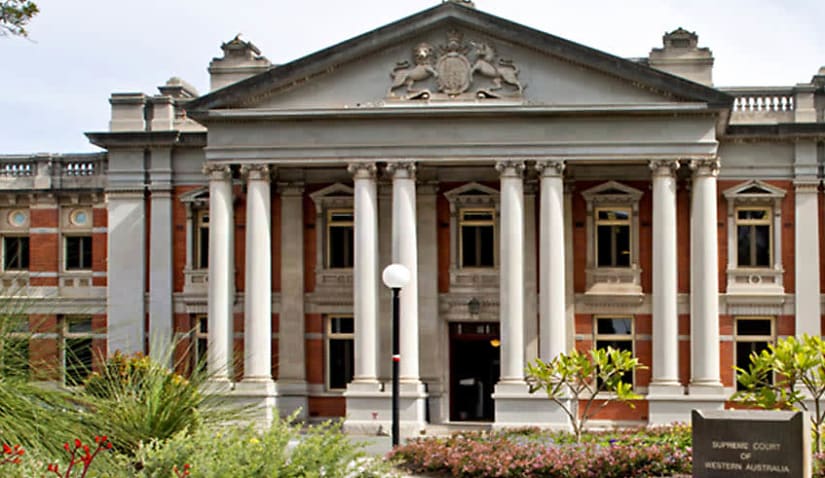

Under the Cook Labor government’s proposed Judicial Commission Bill 2026, the six heads of jurisdiction, three community members, and a director will handle complaints about the conduct and capacity of judges.
Complaints can be made by any person or organisation.
Attorney-General Dr Tony Buti said the Judicial Commission “will strengthen public confidence in our courts and tribunals”.
“The Judicial Commission Bill marks a significant step forward for the state’s judicial system and delivers on a key commitment by the Cook Labor government,” Buti said in a statement to media.
“This reform preserves judicial independence while reinforcing accountability and professional excellence across the justice system.”
The reform is consistent with most other states and territories and implements a recommendation of the West Australian Law Reform Commission’s Complaints Against Judiciary Project 102.
Investigating panels will be made up of two current or retired judicial members and one “high-standing member of the community”.
If not dismissed, the complaints can then be referred to the relevant head of jurisdiction or to an independent investigating panel.
Should the independent panel find proven misbehaviour, a report is made to the Attorney-General to table in Parliament. If both houses agree, Parliament may then make a recommendation to the governor that the judicial officer be removed from office.
In welcoming the legislation, West Australian Chief Justice Peter Quinlan told the national watchdog that the Australian judiciary has been “fairly free of corruption”, but that “you can never be complacent”.
“To have a mechanism to deal with complaints of a serious nature if they arise is obviously very helpful for the integrity of the system as a whole,” Chief Justice Quinlan told the ABC.
The commission can also support the continuing professional development of officers through a professional development scheme.
It is not the first time the West Australian legal profession has been under scrutiny in recent times.
The operation and effectiveness of the primary regulator, the Legal Practice Board of Western Australia (LPBWA), is the subject of an inquiry by the standing committee on public administration.
The LPBWA said it welcomed the review, having recognised “that concerns have been raised in relation to communication, timeliness of regulatory processes, and the handling of complaints and disciplinary matters”.

