

Powered by
MOMENTUM
MEDIA

A defamation battle between two lawyers has tested the limits of airing sensational misconduct allegations before a costs assessor.
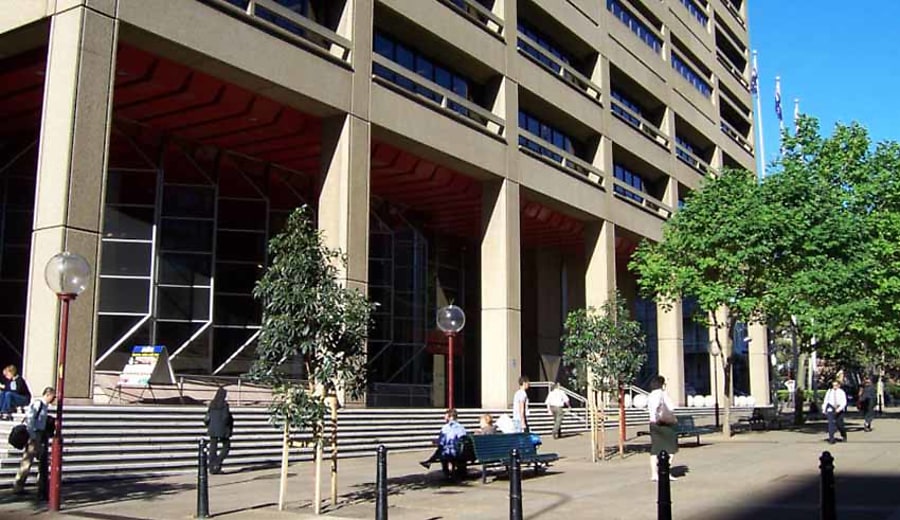

The Supreme Court of NSW was witness to a defamation fight between Paclaw Lawyers’ Christopher Adamson and Ziman and Ziman’s Isaac Chalik over submissions the latter made in the course of a costs assessment.
The dispute began after Adamson represented Chalik’s brother in probate proceedings, in which Chalik was defendant. Adamson’s relationship with the brother soured, prompting an application for a costs assessment.
Chalik, who sought to intervene in the assessment, said he was considering seeking damages against Adamson, arising out of alleged misconduct on behalf of his brother during the probate proceedings.
The allegations included disclosure, costs and instruction claims, which Lawyers Weekly has chosen not to repeat in any further detail.
Referencing a disclosure allegation, Justice Stephen Campbell said there was “no doubt to my mind that the matters [Chalik] sought to raise were prima facie defamatory matters”.
Despite this, Chalik’s defence of absolute privilege was made out, and Adamson’s defamation proceedings were summarily dismissed.
Via his solicitor, principal lawyer Derek Ziman, Chalik argued that proceedings before a costs assessor are judicial in nature and the common law immunity, which covers judges and other decision-makers exercising power in the nature of judicial power, applies to this matter.
Adamson did not accept that a costs assessor is an Australian tribunal as defined by the Defamation Act 2005, nor is it a body which, by analogy with judicial immunity, attracts the absolute privilege defence.
In his decision, Justice Campbell found judicial immunity extended to costs assessors under the Application Act and the Uniform Law.
“It seems to me, bearing in mind that costs assessors are called upon to quell a controversy between parties to litigation or solicitors and their clients as to the important matter of the amount of costs payable for the supply of legal services … and that the decision, once made … the conditions of necessary and public policy coalesce to require that the costs assessment have judicial immunity,” Justice Campbell said.
Referring to several authorities, but particularly Mann v O’Neill, Justice Campbell said it follows that if a costs assessor enjoys the immunity, “so too do the other participants in the proceedings before the costs assessor”.
“Let me say … without casting any aspersions on anybody, prima facie, the matters of which the plaintiffs complain were clearly defamatory, subject to the availability of the defences pleaded.
“However, that is not the point, as the cases indicate, from its inception as a doctrine, judicial immunity protects the decision-maker and the participants in the proceedings from liability, specifically from defamation,” Justice Campbell said.
Citation: Paclaw Pty Ltd v Chalik [2026] NSWSC 766.

