

Powered by
MOMENTUM
MEDIA

A principal failed to wipe a finding of unsatisfactory professional conduct for writing a letter that “substantially distorted” events in court, particularly in circumstances where he must have been “acutely conscious” of the conflict of his duty to a client and his self-interest.
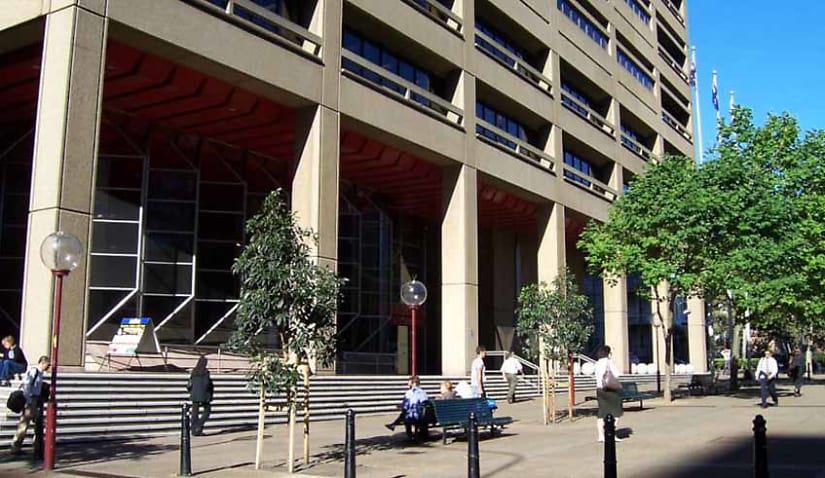

A finding by the Law Society of NSW that Farshad Amirbeaggi, principal solicitor of Sydney boutique firm Yates Beaggi Lawyers, engaged in unsatisfactory professional conduct was upheld on appeal.
The conduct related to a letter to a costs assessor in which Amirbeaggi claimed the NSW Supreme Court found his client “no doubt” had capacity, when in fact Justice Geoff Lindsay did not accept those submissions and permitted further expert evidence to be adduced.
A review by the NSW Civil and Administrative Tribunal (NCAT) upheld the Law Society’s finding. It was this NCAT decision Amirbeaggi sought to overturn in the NSW Court of Appeal.
The Law Society conceded NCAT erred by concluding Amirbeaggi needed to qualify the letter, but Justice Mark Leeming, Justice Anna Mitchelmore, and acting Justice Derek Price were not satisfied this error was sufficient to overturn the overall findings.
In additional reasons, Justice Leeming said: “Many isolated acts of carelessness cause no material harm and warrant neither a caution nor a finding of unsatisfactory professional conduct.
“However, when the entirety of what occurred is placed in context, I agree with the result reached by the tribunal, and that the error conceded on appeal was immaterial.”
In these additional reasons, Justice Leeming said it was clear from Justice Lindsay’s language during the April 2019 directions hearing that the client’s capacity remained in issue. This was supported by Justice Lindsay’s granting of leave to defence for further evidence.
“If the instructing solicitor were not fully understanding the details of the matter debated, the gravamen of the hearing was clear,” he said.
Justice Leeming accepted, as did NCAT, that Amirbeaggi’s genuine recollection was that Justice Lindsay had said words to the effect of: “There is no doubt that [the client] has capacity, what we don’t know is whether she will continue to have capacity.”
However, when Amirbeaggi wrote to the costs assessor, “he was in a position of direct conflict between self-interest and his obligations”.
This was particularly so in circumstances where his request for a stay was to his immediate financial advantage and “presupposed the client had given her fully informed consent to a course which was in his interests and at least arguably contrary to her own”.
In Justice Mitchelmore’s additional reasons, she found NCAT’s use of the word “reckless” to describe the conduct was “infelicitous”.
This was particularly because legal practitioners associate the word with acting from a position of indifference or wilful disregard, and it was not put to Amirbeaggi in cross-examination that this was his character.
However, given later statements by the tribunal, Justice Mitchelmore was not satisfied that the use of that word “intended to convey that the appellant’s conduct went beyond careless”.
On the basis of Amirbeaggi’s carelessness, Justice Mitchelmore found his conduct in writing the letter – even if based on his true recollection – was capable of falling below the standards under the Uniform Law.
“The tribunal’s conclusion that the appellant had engaged in unsatisfactory professional conduct was correct,” she said.
Citation: Amirbeaggi v Council of the Law Society of New South Wales [2026] NSWCA 166.

