

Powered by
MOMENTUM
MEDIA

With Australia navigating a turbulent policy landscape and mounting economic strain, a migration lawyer reveals how the profession has been thrust into the heart of one of the country’s most divisive debates, marking what may be its most challenging era to date.
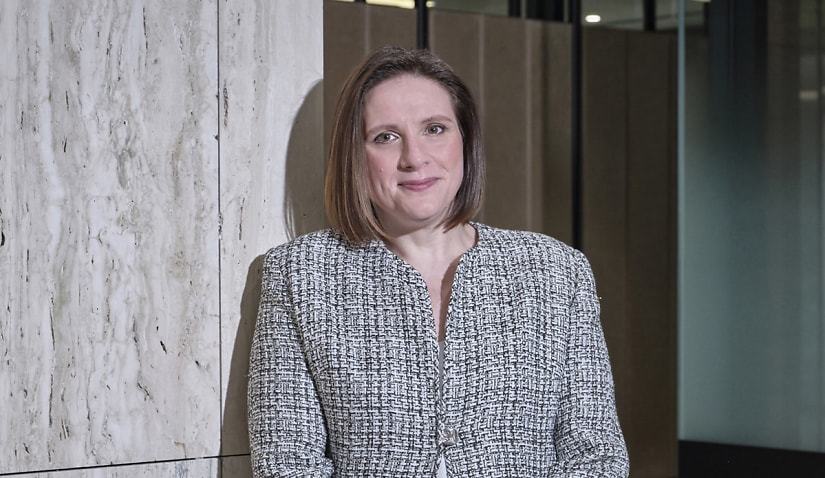

Speaking on a recent episode of The Lawyers Weekly Podcast, Rebecca Thomson, BDO national leader in migration law, described how the profession is navigating one of its most challenging periods ever, as misinformation, political pressure, and rising public tension converge.
Thomson emphasised that the profession’s biggest hurdle today is not the law itself, but the public narrative shaped by social media, which has fundamentally altered how migration issues are portrayed and understood.
“Everything in law and politics ebbs and flows, but I think what we’re seeing more now than ever before is that the media is a source of entertainment, and it’s being used as something that can swing emotions and swing votes, and it’s become increasingly unbalanced,” she said.
She warned that platforms like TikTok and algorithm-driven news feeds are influencing public sentiment in real time, often compressing complex migration issues into emotionally charged soundbites.
“The fact that media is in so many ways in people’s feeds, in their TikToks, is feeding a narrative that’s just not helpful,” she said.
A key example of this, Thomson shared, is the national housing debate, where migration intake is often wrongly blamed for rental stress and affordability pressures – a position she said is not backed by the evidence.
“If we talk to the housing debate, for example, we had an influx and a rebound of students and workers and construction was slowing. We know there is an issue with housing affordability and that over the next sort of four years, about 825,000 dwellings will be built against a demand of over 900,000,” she said.
“We know that there’s going to be a shortfall. But that shortfall isn’t about migration intake; that’s about project feasibility and supply constraints. It’s not actually anything to do with migration intake.”
Even amid unprecedented challenges, Thomson highlighted the profound sense of purpose and responsibility migration lawyers carry in championing justice, diversity, and the broader national interest.
“We have an opportunity as lawyers to stand up where there are issues of justice or diversity or national purpose. It’s an opportunity for us to combine in migration practice that technical rigour, because it is an incredibly complex area, and compliance is tricky,” she said.
Beyond the technical challenges, Thomson said, the deeply human dimension of migration law is what makes the work meaningful, as every decision has the power to transform the lives of real families and businesses.
“But there’s also empathy because every decision that we support is a real family or a real business that we’re actually, actually contributing to. So we have this opportunity to take something and make it a better place as a result of what we do,” she said.

