

Powered by
MOMENTUM
MEDIA

A prominent Sydney barrister has been sentenced after breaching court orders by repeatedly sending menacing texts and Instagram messages over New Year’s Eve.

A Sydney barrister and principal has been sentenced to nine months on a community corrections order after pleading guilty to bombarding a woman with repeated calls, messages, and social media contact, despite being restrained by a court order.
Charles Bannister, a barrister with more than 20 years of experience, was arrested in early January 2025 after police alleged he harassed the woman over the New Year’s Eve period using multiple forms of communication.
During this period, the court heard the 47-year-old man repeatedly sent texts, made calls, and sent Instagram messages to the woman, even going so far as to use another phone to contact her and request her location via her iPhone.
He later contacted police to check on her welfare, believing she sounded intoxicated and might be in danger.
When he appeared in Sydney Local Court on 19 November, Bannister pleaded guilty to two counts of using a carriage service to menace, harass or offend, and breaching an apprehended violence order.
His legal team sought a Section 14 order, which would have allowed him to be diverted from the criminal justice system into a treatment program, on the basis that he was experiencing a mental health impairment at the time of the offending.
Bannister’s lawyers argued he had been diagnosed with borderline personality disorder and persistent adjustment disorder. However, with the application denied by Magistrate Hugh Donnelly, he ultimately pleaded guilty to the charges.
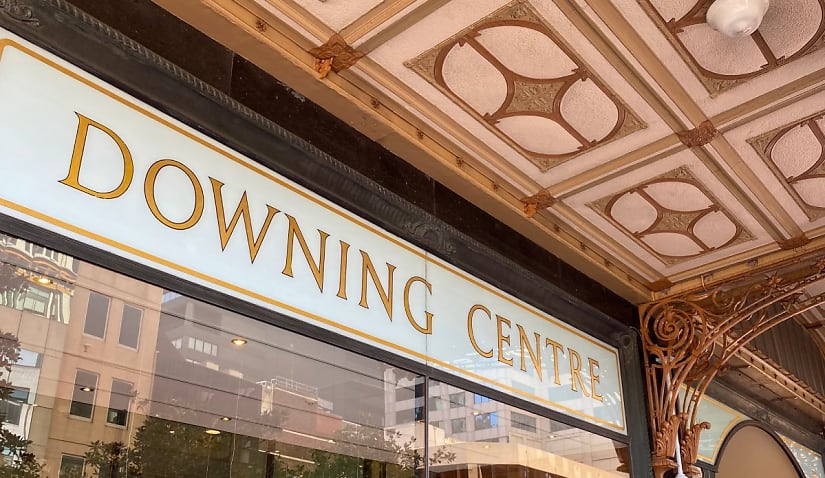
When appearing before Sydney’s Downing Centre yesterday (4 February), Bannister’s legal team argued for him to be placed on a non-conviction bond.
They requested that, as part of this, he be placed on a good behaviour bond and closely follow the treatment plan outlined by his psychologist.
The court heard that Bannister was experiencing significant personal distress and poor mental health at the time of the incident, including being in the 99.5th percentile for stress and anxiety, with his psychologist noting he had been under considerable strain for at least two years prior to the incident.
Bannister’s legal team argued that, with his focus on rebuilding his life and pursuing rehabilitation, a non-conviction order would better support his efforts than a conviction, allowing him to move forward without unnecessary legal obstacles.
The court also heard Bannister’s legal team argue that he has already endured “enough punishment”, citing the impact of the lengthy court proceedings, intense media scrutiny, and the downward spiral he has experienced as a result of the incident.
While presiding Magistrate Donnelly acknowledged Bannister’s mental health struggles and personal challenges, and commended him for taking steps to care for himself while expressing confidence he would not reoffend, he nevertheless stressed the seriousness of breaching the orders.
Bannister was sentenced to a nine-month community corrections order, with the magistrate opting not to impose supervision, citing that he posed no risk and had strong prospects for rehabilitation.

