

Powered by
MOMENTUM
MEDIA

A West Australian solicitor who was hospitalised for several months was left mystified by the Legal Practice Board’s decision to appoint a manager to his practice and shut him out of legal work.
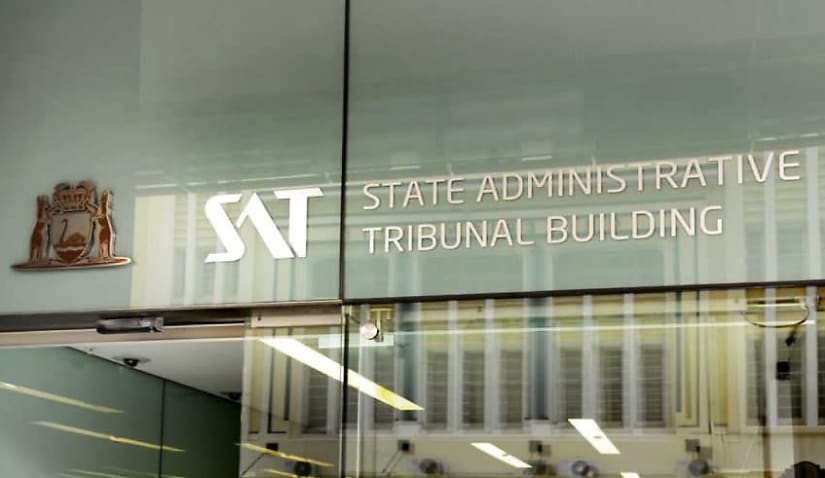

Jeyakody Sivanpathakumar, sole practitioner of Sivan Legal in Atwell, failed to have the decision of the Legal Practice Board to refuse to renew his practising certificate overturned in the West Australian State Administrative Tribunal (WASAT).
In mid-March 2025, less than halfway through his two-month hospital stay for a respiratory illness, Sivanpathakumar was informed that the board had resolved to appoint a manager to Sivan Legal.
The decision was triggered by two complaints by clients received the week prior, each regarding Sivanpathakumar being uncontactable while the law firm was alleged to have held money on trust for them.
It was Sivanpathakumar’s evidence that there were no urgent client matters at the time he fell ill. Further, he believed the board formed the mistaken belief that Sivan Legal held approximately $400,000 in trust, when the actual figure was around $88,000.
While WASAT accepted that the latter was a genuinely held view, it said there was no reasonable basis for it, given that the manager was appointed in response to the clients’ complaints about his lack of contact.
Further, Sivanpathakumar “seemed genuinely baffled that his serious illness led to the appointment of a manager” and the board’s November 2025 refusal to renew his practising certificate.
President Kathleen Glancy – with senior member Dr Stephen Willey and member Ross Povey – said it was actually due to Sivanpathakumar’s obstruction of the manager’s work, a breach of an undertaking to the board, and a “fixed” fee he charged to clients.
The latter related to $300 for search fees associated with the Office of State Revenue, the Water Corporation, and local governments, when, in reality, each client’s actual incurred expenses differed.
“We appreciate the applicant’s distress that a physical illness has led to the loss of his ability to practice his chosen profession.
“However, in our view, it is the applicant’s ongoing response to the appointment of the manager over a considerable period of time, that has brought him to the position where we must now consider whether, given the facts as we have found them, he is a fit and proper person to hold a practising certificate,” Glancy said.
WASAT was told Sivanpathakumar ignored several of the manager’s requests to hand over control of the practice’s trust accounts, bank statements, updates and information on client matters, access to client information, and access to the firm’s LEAP system.
A week after Sivanpathakumar gave an undertaking that he would comply, the manager reported he still had not been provided access to the general account, the PEXA multifactor authentication application, or a complete list of complete and current matters.
Sivanpathakumar claimed he did not hand over a list of client files because there were no active ones. Even if this were true, WASAT said this evidence did not address why Sivanpathakumar did not provide that explanation or provide a list of inactive matters.
On the undertaking, Sivanpathakumar said he felt “he had no option” but to accede to the board’s request, but the tribunal said it remained a “very serious matter”. If he were concerned, Sivanpathakumar should have taken steps to have its validity properly considered.
Glancy did not accept Sivanpathakumar’s submission that his conduct could not have properly been regarded as obstructing the manager.
“We are positively satisfied on the facts as we have found them, and we find, that the applicant did deliberately obstruct the manager’s management of his practice up until the decision was made,” Glancy said.
The board also complained of trust account irregularities, including times when Sivanpathakumar allegedly took funds from one trust account ledger to use in another, and withdrawals of legal costs and disbursements that did not comply with the Uniform Law.
Sivanpathakumar said these breaches were “minor and technical”, or were administrative errors, rather than acts of dishonesty, misappropriation, deficiency in trust funds, or improper use.
However, a senior auditor regarded it as “high-impact behaviour”.
Had Sivanpathakumar attended the hearing with demonstrated insight into the “misguided nature of his prior conduct”, Glancy said the tribunal may have been persuaded he was a fit and proper person.
“Lawyers, perhaps even more so than other citizens, cannot simply decide for themselves which laws and legal requirements they will choose to follow and comply with and which undertakings they will, and will not, adhere to,” Glancy and the members said.
“The way in which to address concerns about the validity of the appointment of the manager and the manager’s requests was not to obfuscate and refuse to comply with requests and directions.
“The concerns he had about the validity of the undertaking were not properly addressed by simply treating it as invalid.”
Citation: SIVANPATHAKUMAR and LEGAL PRACTICE BOARD [2026] WASAT 75.

