

Powered by
MOMENTUM
MEDIA

If the ACCC convinces the court that Coles’ “Down Down” promotion was misleading, Australia’s major supermarkets could be strong-armed into offering fewer or less frequent specials, counsel has argued.
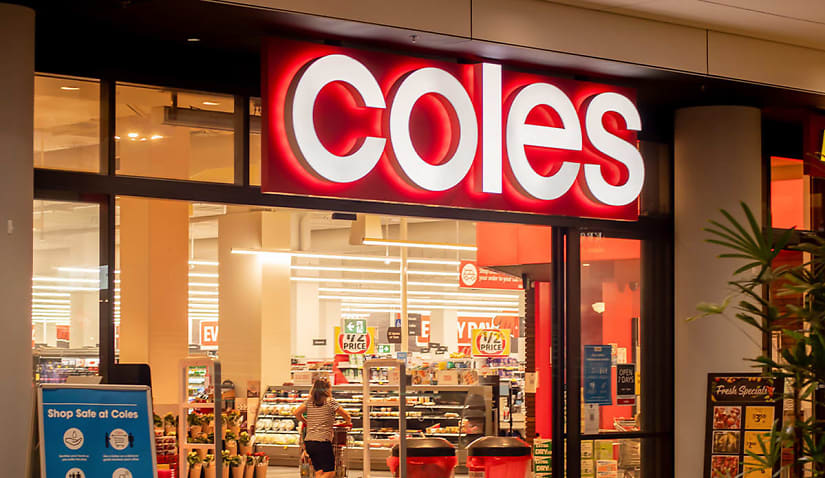

In opening submissions for Coles, John Sheahan KC urged Justice Michael O’Bryan to “hesitate before second-guessing” Coles’ “Down Down” decision making because judgment in favour of the consumer watchdog could spell trouble for Australian bargain shoppers.
Sheahan explained that if the Australian Competition and Consumer Commission (ACCC) pleadings on misleading pricing are upheld and the Federal Court tightens rules around discount advertising, “the more or less direct consequence is retailers may feel the need to keep products off special for longer”.
“You would have to ask the question … would suppliers be prepared to contribute the same kind of funding? Would Coles be prepared to contribute the same amount of margin sacrifice?” Sheahan said.
“What the court is not plainly informed properly about are the ramifications. All the court can be confident [in is] there will be ramifications that will be difficult to predict.”
On Monday, 16 February, ACCC counsel Garry Rich SC said Coles and its suppliers had an “economic incentive” to disguise its higher prices by first putting it on a Down Down discount promotion.
In the watchdog’s case, Coles started with a long-term price of a product, known as price one, before it increased temporarily to price two, and finally placed it on reduced price three on Down Down. This third price was higher than the first, the ACCC alleged.
“Price two was never going to be the regular price of the product; it was just a step along the way to where they want to get to, which is the supplier and Coles makes more money,” Rich said.
Sheahan argued there were “several problems” with ACCC’s case, including the failure to identify or explain the benchmark of what it means by the “regular” price, or price one. The term “reasonable” as used by the watchdog is implausible, “indeterminate categories”.
He also submitted that the ACCC’s case was “too complex to credibly attribute to a reasonable consumer walking down the aisle at Coles” because it required them to take a sophisticated regulatory analysis of the time periods, commercial strategy and pricing patterns.
“If they were to do it, it’s quite a thought process,” Sheahan said.
Instead, Sheahan submitted that the ordinary reasonable consumer considers whether the current price provides them good value and whether it is better than the price they would normally pay.
Sheahan also took the Federal Court to the methodologies Coles uses in its negotiations with suppliers over price points, particularly its preference for one that “tended to come up with lower numbers”.
Coles was also under the impression that the suppliers conducted “careful and detailed product research”, including assessing the pricing of other products within their portfolio, the pricing of competitor products, and the impact of selling the product at a particular level.
“They had a strong incentive to … set recommended retail prices that were competitive in the market. Coles tended to place quite a bit of weight on supplier recommendations,” Sheahan said.
The proceedings are ongoing.

