

Powered by
MOMENTUM
MEDIA

Intense bullying from the profession’s “mean girls” has upended a barrister’s once-idealistic belief in sisterhood.
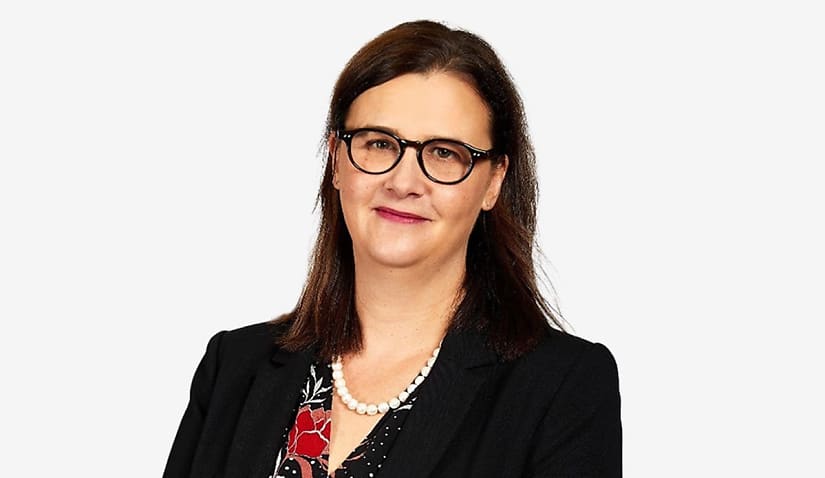

On top of losing personal relationships and professional opportunities, Dr Michelle Sharpe said a bullying campaign had a detrimental impact on her once “naive and golden-retriever-like” belief that women should be supporting other women in law.
In an earlier interview with Lawyers Weekly, Sharpe shared she was the victim of a smear campaign after advertising a wellbeing webinar with psychologist and author Meredith Fuller. The ramifications of the experience have continued to this day.
In a cruel twist of irony, Dr Sharpe told this publication the perpetrators of her bullying were women who frequently spoke out about sisterhood and the need to support other women.
Sharpe said the concept of sisterhood has since become “much more performative” and appears for some to be “virtue signalling”.
“I used to subscribe to that, and I certainly would make an effort to support women, but this whole experience has changed that for me.
“Some of the [women] I’ve seen who speak the loudest about it were the worst, in my personal experience,” Sharpe said.
Now, Sharpe is much more guarded of who she gives her time and energy to, and often encourages the women she mentors to be cautious and find people they can really trust and talk to.
“There is this narrative circulating at the moment that women are vulnerable and women must support women and girl power and that kind of thing, but this has taught me to be far more discerning.
“Some of the people who have been the most hurtful are people who conform to this stereotype. Conversely, some of the people who do not conform to that stereotype have been some of the most empathetic and supportive people,” Sharpe said.
In a follow-up interview, Sharpe said she lost friendships or connections with women who believed the things that had been said about her as part of the perpetrator’s “smear campaign”. She also shared that being in certain places was like “walking into a teenage movie where it was made very clear I was not welcome”.
Her career has also had some setbacks, with Dr Sharpe claiming she has been left off of wellbeing committees and working groups she had once been so passionate about being part of.
In one hurtful experience, Sharpe said she was encouraged to join only to be later told she was not welcome. She learnt later that word from her perpetrators, or “mean girls”, had gotten back to the clerk.
“As a barrister, I only eat what I catch. On a professional level, it’s really quite concerning because I think to myself, how many opportunities were shut for me because of this smear campaign? That’s how I make my living; it’s my livelihood,” she added.
Reflecting on the encouragement and support she has received since the first interview, Sharpe said she remains pessimistic about there being change at the bar but feels that speaking out has at least allowed for other people “to feel less alone”.
Given that bullying “does its most damage and festers” when it is covert or subtle, Sharpe said reaching out and connecting with others can see that it “kind of loses its power”.
“This kind of bullying aims to isolate you and dehumanise you and put you into a sort of shame spiral, so speaking to other people really breaks that down,” Sharpe said.
“It breaks down the isolation, it breaks down blaming yourself or the risk of you blaming yourself, and instead, what you end up getting is connection and empathy and a shared experience.
“I found that to be very powerful.”

