

Powered by
MOMENTUM
MEDIA

Diversity, inclusion, and wellbeing have fast become the legal profession’s favourite buzzwords, but underneath the new policies, speeches, and social media advocacy is an uncomfortable truth: women are bullying women and getting away with it.
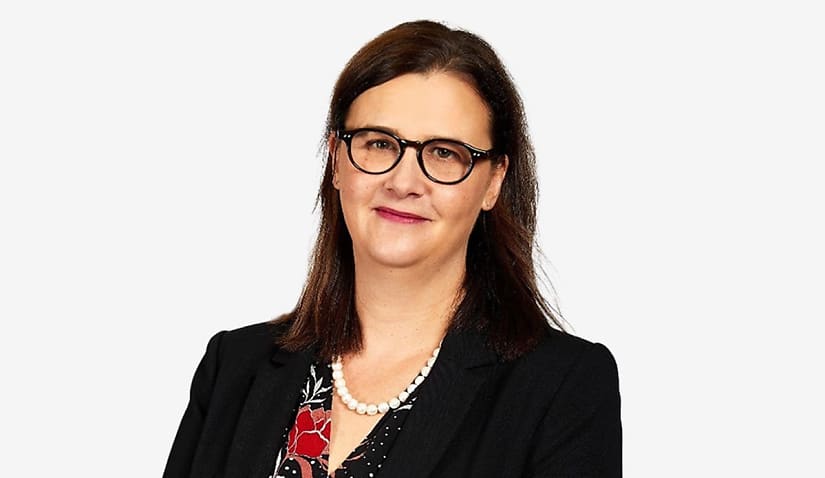

Having noticed her colleagues’ mental health and wellbeing were deteriorating rapidly post-lockdowns, barrister Dr Michelle Sharpe used her position on the Victorian Bar’s health and wellbeing committee to “frantically” put on webinars and provide resources.
At first, webinars about bullying were well-received, and mostly because they kept to the relatively “orthodox” topics like juniors being bullied by their seniors. Then, Sharpe came across psychologist Meredith Fuller and her book, Working with Bitches.
In a devastating turn of events, Sharpe became the victim of ferocious, vitriolic hatred from colleagues at the bar and peers in the wider legal profession. Many of the lawyers behind the nasty comments were women.
Sharpe explained it as “all hell breaking loose”.
“Long story short, I got cancelled. I was just utterly mobbed on social media, and particularly on LinkedIn. It got so bad, I’ll never forget it: I was just working on something on my computer, and I could hear the steady ‘ding, ding, ding’ as post after post was loaded up.
“People just kept coming for me, and the vitriol and nastiness got so bad that I stopped looking at some point,” Sharpe told Lawyers Weekly.
Sharpe and Fuller – who went on to be awarded an Order of Australia – were accused of hating women and giving ammunition to misogynists. In truth, both women only wanted to bring a taboo subject to light and encourage a much-needed conversation.
“If we’re not going to discuss it and you make it taboo, then basically what you’re doing is consigning a bunch of people who are on the receiving end of this conduct to suffer in silence.
“I would think that talking openly about this is, in fact, a very feminist thing to do, because we’re talking about ways in which we undermine ourselves, and we’re looking at solutions. We’re wanting to stop this conduct and look at ways we could support each other, so I would have thought this was the answer to that,” Sharpe said.
Women bullying women in the workplace is not a new issue. In November 2021, former sex discrimination commissioner Kate Jenkins published Set the Standard: Report on the Independent Review into Commonwealth Parliamentary Workplaces, which found women were the bullies in 61 per cent of cases. Women also made up about 42 per cent of the victims of bullying behaviour.
In 2019, the International Bar Association reported that 73 per cent of Australian women in law were bullied in connection with their legal employment. This figure is “significantly higher than global averages”, where the rate for women sits around 55 per cent.
It is also not new to the Victorian Bar. Last April, Mark Robins KC called out the “regrettable pile-on” of barrister Lana Collaris, who had been accused of “making a mockery” out of the association through her public commentary and social media posts.
While Robins said he did not agree with Collaris’ commentary, he said her treatment was unacceptable: “We hear so much these days about ‘safe spaces’ and Bar Council should be a safe space for all of us. That includes it being safe for those with whom we disagree.”
For Sharpe, it was the first time she experienced “mobbing” – the relational, or “mean girls”, form of bullying in groups. That conduct has only persisted, with Sharpe sharing that she has often felt excluded at events that these same women will also attend.
The hierarchical structure of the Bar has lent itself to this mobbing mentality, with many barristers often wanting to curry favour with those perceived as more powerful and better connected.
When an older woman tried to stand up for Sharpe, the mob turned its bullying on her. Later, Sharpe was told by a junior barrister that he had wanted to speak up too, but was concerned it would jeopardise his position and reputation at the Bar.
“The other thing I was quite disappointed to see was how it persists and the ferocity of it. At one point, I thought to myself, ‘if these women could push me under a bus and get away with it, they would’. The heat was that intense,” Sharpe said.
Sharpe said one of the more confusing and disappointing aspects of her experience was the reactions from women who were more senior and whom she had deeply respected in the past. While these women were publicly applauded for their intelligence and advocacy, their bullying behaviour was very “high school-esque”.
“I found it difficult to understand how people, and some women who occupied senior positions within the profession, could behave in such a hurtful and childish way. I remain perplexed by that,” she added.
Looking back, Sharpe said it taught her “an awful lot” about freedom of expression, authenticity, and real relationships. At a time of extreme isolation, she remembers those who reached out with sympathy.
Sharpe also shared she now feels she has the ability to “be so deeply [empathetic]” with others who have experienced the same, and has a “great deal of insight” into mental health struggles.
While there is much more to do, Sharpe said that opening up about what she went through and hopefully encouraging conversation across the profession is a “step in the right direction”.
“I hear these words ‘equality and inclusion’, and it makes me want to cringe because my personal experience is anything but. If we want to move towards that, then we have to make space to have these conversations,” Sharpe said.
“How can you possibly speak up within the group when you have concerns if you see people punished and cancelled for raising an issue. It creates an echo chamber, and I don’t think anything ever good could come out of an echo chamber.”
Sharpe also spoke on The Lawyers Weekly Show with host Jerome Doraisamy about this experience, her perceptions on barristers’ general wellbeing, and moving beyond box-ticking exercises. You can listen to the episode here.

