

Powered by
MOMENTUM
MEDIA

After years of feeling constantly overwhelmed and drained, struggling with the daily demands of her work as a lawyer, Libby Thomas shares her journey of receiving a life-changing neurodivergence diagnosis – an insight that has transformed the way she understands herself and her world.
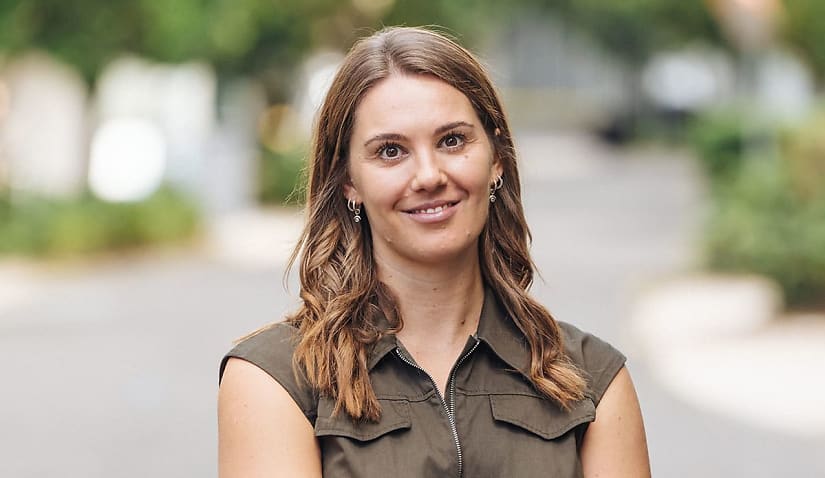

Speaking on a recent episode of The Protégé Podcast, Libby Thomas, associate at Travis Schultz & Partners, opened up about her journey to a neurodiversity diagnosis, revealing years spent navigating the pressures of a demanding law career while battling persistent overwhelm, frustration, and exhaustion that had long gone unexplained.
Just under a year ago, Thomas shared that she had been diagnosed with autism and a combination of inattentive and hyperactive ADHD, neurodivergences that had quietly shaped her life for years before finally being recognised.
“I have received my own neurodivergence diagnosis. About just under 12 months ago, I was diagnosed with autism and also ADHD, both inattentive and hyperactive. So it’s a combination of ADHD,” she stated.
Throughout her twenties, Thomas struggled with challenges that she now recognises as symptoms of ADHD, but at the time, they were repeatedly attributed to anxiety, depression, or simply the pressures of motherhood.
“However, throughout my life and pretty much my entire 20s, I had symptoms that I would now, well, now know are related to my ADHD, but they would always be put down to anxiety, or you’re a busy working mother, I’ve got two young kids, maybe you’re depressed, maybe something like that,” she noted.
“So I guess it was always put to, when I’d asked whether or not maybe I was neurodiverse, it was always brought back to, no, I think you’ve just got anxiety, maybe you’ve got depression. Let’s medicate you for either one.”
The disconnect between treatment and reality left Thomas in a state of constant tension, where even minor irritations felt overwhelming and forced her to confront a version of herself she barely recognised.
“But nothing was working. I was feeling so overwhelmed. I felt like I was constantly just at the simmering point where I was about to explode,” she said.
“Things that would usually not faze me or that I previously hadn’t would really get to me. And I’m like, this is not me. This is not how I operate. I’m usually a lot better at coping with things.”
Amid a high-pressure litigation career defined by relentless deadlines, Thomas recalled wondering if her constant overwhelm was simply part of the job, something she just had to accept as the reality of legal life.
“I thought, I mean, I’m a lawyer, I work in litigation. It is a high-demand job. There’s always something happening, something demanding, a time frame that we’re having to get something done by. So I thought that maybe this is just the life of a lawyer,” she outlined.
“This is perhaps just what it is, and maybe I just need to get my head around that and find strategies to better manage it myself.”
Much of Thomas’s struggle, she said, revolved around her difficulty concentrating, often putting off mundane or less stimulating tasks despite knowing they needed to get done.
“So a lot of it came down to my focus on particular tasks. I would procrastinate every day. I would look at what I had to get through in a day and if I looked at something that perhaps was not as exciting or I considered a bit more of a boring task, I would just continue to put it off and put it off and put it off,” she stated.
Finally receiving the diagnosis that validated what she had long suspected brought a rush of emotions – frustration at the years spent without answers, but also profound relief in understanding why she had always felt the way she did.
“I think it was definitely a bit of both. I was so frustrated that I’d gone so long without knowing and that there was something that might have been able to help me if I’d known earlier,” she noted.
“But also, I was so relieved that finally there was actually a reason that I was feeling the way I was.”
By speaking openly about her neurodivergence, Thomas shared how she hopes to encourage others in the legal profession to do the same, fostering a more balanced and sustainable approach to their careers.
“Just keep talking about it. If you have a diagnosis, you are neurodiverse, and you feel comfortable coming forward and talking about it, I really encourage you to do so,” she said.
“Because if by me doing this and talking today about this and continuing this conversation, I can help one other lawyer out there have a more sustainable career in this profession, then that’s everything to me.”

