

Powered by
MOMENTUM
MEDIA

New laws passed by the Albanese government aim to streamline the Administrative Review Tribunal by expanding its ability to decide cases without hearings, accelerating decision making and lowering costs.
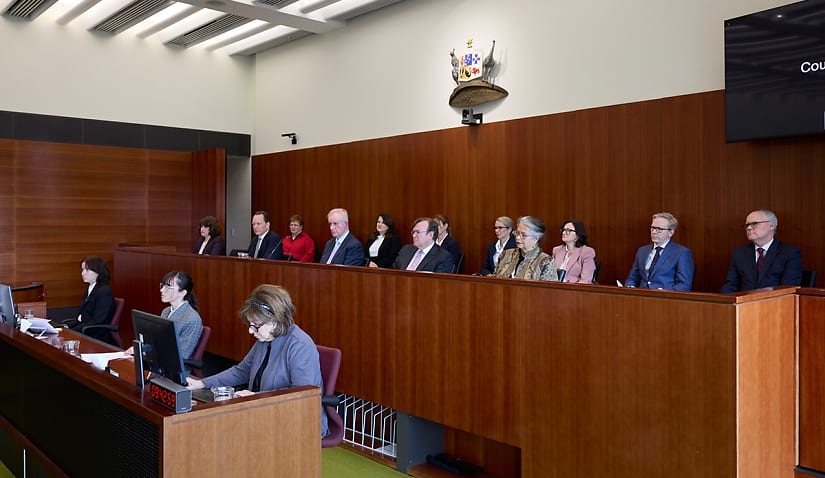

On 5 February, the Albanese government passed legislation designed to boost the efficiency of the Administrative Review Tribunal (ART), while ensuring applicants retain the ability to fully present their case during the review process.
The Administrative Review Tribunal and Other Legislation Amendment Bill 2025 introduces measures giving the ART greater flexibility to resolve certain matters based on written submissions, without requiring an oral hearing in every case.
The Attorney-General’s office explained that these reforms, which allow the ART to make certain decisions without an oral hearing, respond to the fact that such hearings are “time- and resource-intensive”.
Through these reforms, the bill aims to equip the tribunal with the tools to handle applications “quickly, and with as little expense as proper consideration of those matters permits”.
The bill also amends the Migration Act 1958, requiring certain temporary visa decisions to be reviewed without an oral hearing.
Decisions covered by this process will be prescribed by regulation, with student visa refusals expected to be the first area of application.
The Attorney-General’s office explained that this bespoke process will allow applicants to present their “full case” to the ART in writing, while ensuring the tribunal considers all submitted documents when making a decision.
This change follows recommendations from the 2023 Rapid Review into the Exploitation of Australia’s Visa System – commonly known as the Nixon Review – to support an “efficient and proportionate review”, ensure “timely decision making”, and “strengthen the integrity of the migration system”.
Beyond migration matters, the bill amends the Administrative Review Tribunal Act 2024 to broaden the circumstances in which the tribunal may choose to determine matters without a hearing across other jurisdictions.
However, the discretion is limited.
The A-G office explained how the ART may only proceed without a hearing where the matter is “determinable without a hearing, it is reasonable to do so, and the parties are given an opportunity to make submissions as to whether a hearing is required”.
Attorney-General Michelle Rowland MP described the Albanese government’s reforms as an “important step” in giving the ART greater flexibility to make faster, fairer decisions, while enabling applicants to fully present their case and enhancing the tribunal’s efficiency.
“The Albanese government is committed to high-quality and proportionate merits reviews through ensuring the Administrative Review Tribunal has the tools it needs to deliver quick and fair decisions,” A-G Rowland said.
“Informed by the Nixon Review and the operational experience of the tribunal, this legislation gives the tribunal additional flexibility to conduct reviews in a proportionate way while ensuring that applicants can make their full and forthright case in writing.
“These new measures are an important step towards enhancing the tribunal and ensuring that it uses its resources effectively.”

