

Powered by
MOMENTUM
MEDIA

Refusing to let her neurodivergent diagnosis define her limits as a lawyer, Libby Thomas has turned it into one of her greatest professional assets, using it to redefine and strengthen her legal career.
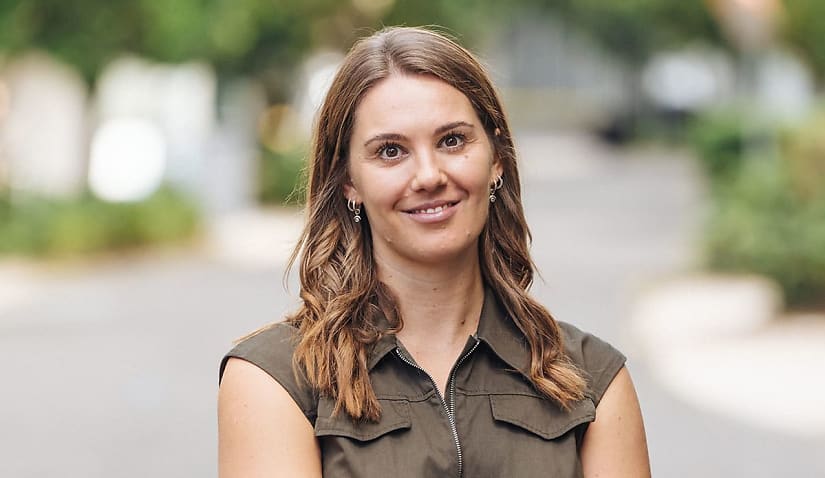

Speaking on a recent episode of The Protégé Podcast, Libby Thomas, associate at Travis Schultz & Partners, revealed how she chose not to see her neurodivergent diagnosis as a limitation, but instead as a catalyst for change that sharpened her self-awareness, reshaped her approach to work, and ultimately strengthened her legal career.
In the same episode, she opened up about her journey to a neurodiversity diagnosis, revealing years spent navigating the pressures of a demanding law career while battling persistent overwhelm, frustration, and exhaustion that had long gone unexplained.
A key turning point in her journey came during her assessment with a clinical psychologist, which provided her with a detailed, practical report offering clear, actionable strategies designed to help her better manage her symptoms and perform at her best in the workplace.
“When I went through the assessment process with the clinical psychologist that I actually saw for my diagnosis, he wrote this fantastic report which provided strategies to help me in a work environment,” she said.
“This was amazing because it was written down right in front of me, which I love because it told me exactly what I needed to do to help manage my symptoms a lot better.”
Rather than keeping the report to herself, Thomas explained how she immediately shared it with key people in her workplace, deliberately bringing her support network into the process so they could better understand how she works and what enables her to succeed.
“One of the first things I did when I got that report was I sent it to our CEO, Kelly, who was very aware of the assessment process that I was going through, and also my paralegal, Gemma.”
“Just so they could read it and have a better understanding of how I worked and what things would better support me in the workplace.”
By opening up to her workplace support system, she explained how it triggered a series of tailored adjustments, with both Thomas and her team actively reshaping workflows around her strengths, challenges and workload needs.
“Then from that point on, we just started implementing different things based on my assessment and my strengths and weaknesses just to help me better manage my workload.”
Thomas openly shared one practical strategy she has adopted to manage a key challenge linked to her neurodivergence, explaining that it significantly improves her ability to absorb and retain information, something she previously struggled with without such support in place.
“A lot of it comes down to the fact that I really struggle with retaining anything I hear verbally. So just say in a training session, I always take my laptop and do something else at the same time, as it helps me retain it.”
“It doesn’t actually have to be taking notes on what I’m listening to. Although that does help too. But it could just be responding to a couple of emails or something while I’m listening to a session helps me take on board and retain that information I’m hearing verbally so much better.”
While the change may appear minor on the surface, Thomas emphasised the profound impact it has had on her professional life, fundamentally shaping the way she works and manages her day-to-day practice.
“I absolutely see it in myself. It has made such a big difference; there might only be small changes, and they might not seem big to anyone else, but they have made a massive difference to me.”
Beyond practical workplace adjustments, Thomas also highlighted the importance of openness, explaining how speaking with colleagues about her diagnosis has enabled more adaptive communication styles and a deeper level of understanding across her team.
“Even just talking about it with my colleagues and just being really open about my own diagnosis, what works best, what doesn’t work for me, it’s given them the understanding to know better how I work.”
“For example, talking about something to me, they might do it in a different way or say something like, ’ Oh, have you got a piece of paper to write that down?’ Just that and their understanding definitely made a huge difference.”
For others navigating a similar journey, Thomas encouraged those who feel comfortable to speak openly about their experiences, saying that sharing their stories can spark greater understanding and, if it helps even one lawyer build a more sustainable career in the profession, then the conversation is well worth having.
“Just keep talking about it. If you have a diagnosis, you are neurodiverse, and you feel comfortable coming forward and talking about it, I really encourage you to do so.”
“Because if by me doing this and talking today about this and continuing this conversation, I can help one other lawyer out there have a more sustainable career in this profession, then that’s everything to me.”

