
Powered by
MOMENTUM
MEDIA

A Perth law firm is marking a decade in business with the appointment of its first chief executive.
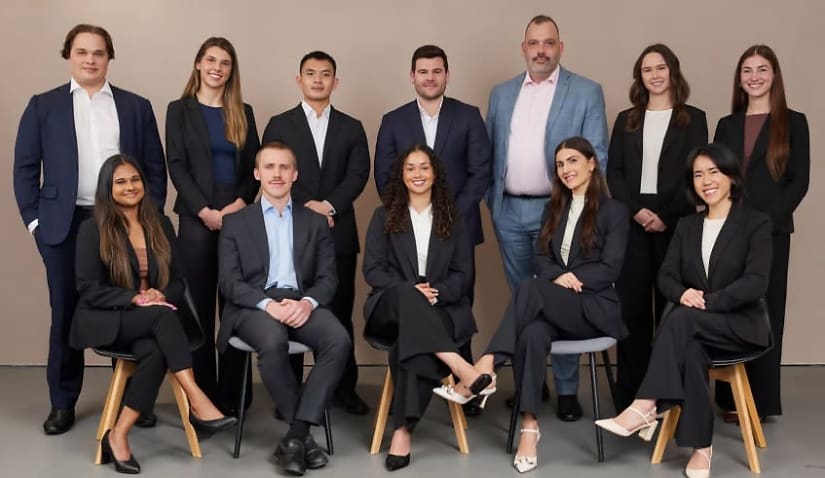

Perth-based boutique law firm Forbes Kirby has marked 10 years since its beginnings in 2016 by appointing its inaugural CEO and moving to a new office.
Daniel Weston will serve as CEO of the firm, bringing more than two decades of experience in financial and executive leadership across FMCG, media and professional services in Australia and New Zealand.
Weston holds vast experience in financial planning and analysis, commercial strategy, business and process improvement, and cross-functional leadership.
Joining the firm as chief of staff, Weston has been a key part of bolstering its governance, systems and operations.
Among Forbes Kirby’s early high-profile matters was a Commonwealth money laundering prosecution that was permanently stayed by the District Court.
Today, the firm employs 15 staff across four practice areas: litigation, commercial, estates, and general counsel.
Talking to Lawyers Weekly, Weston highlighted his focus on building on the firm’s foundations, strengthening client relationships, and adapting its services to meet the ever-changing needs of businesses in an evolving legal landscape.
“Our focus for the next chapter is to deepen our role as trusted advisers to our clients, rather than simply the lawyers they call when a document needs preparing or a dispute has arisen,” Weston said.
“In practice, that means supporting clients across both their business and personal affairs, from day-to-day commercial advice and risk management through to wealth protection, estate planning and succession.
“Many of our clients are business owners, and their business and personal interests are closely connected. We want to be the firm they turn to across all of it.”
Weston also recognised the growing influence of technology and AI on the legal sector, putting greater emphasis on sound judgement, practical advice and strong client relationships.
“As technology, and AI in particular, makes legal information more accessible, sound judgement, candid advice and practical solutions become more valuable, not less,” Weston said.
“Clients want more than technical answers. They want advice that reflects their objectives, their business and the real consequences of the options in front of them.
“Our priority is to develop our people and the way we work so that clients receive clear, commercially grounded advice and a consistent relationship with lawyers who understand their affairs.
“We also know the firm’s growth must be sustainable. For us, the next stage is not growth for its own sake; it is continuing to improve how we serve clients and support our team.”
Speaking about the challenges the firm has faced over the last 10 years, Forbes Kirby’s principal, Mitch Tolcon, indicated that attracting and retaining talent, along with navigating regulatory changes, are common issues that boutique firms typically face.
“Three significant challenges stand out: attracting and retaining talent, responding to regulatory change, and adapting to technology,” Weston said.
“As a boutique firm, competing with larger firms for skilled people can be challenging.
“Our answer has been to consistently protect our culture and values, even as the firm has grown.
“We give our people faster access to hands-on work, greater responsibility for managing matters than they would typically have at a larger firm, and more autonomy to choose the pathway that suits them.
“That combination is what attracts good people to us and keeps them here. Regulatory change also requires considerable attention and resources.
“The recent expansion of Australia’s anti-money laundering and counter-terrorism financing regime to certain legal services has required us to implement new systems, processes and staff training. For a boutique practice, this is a substantial undertaking.”
Tolcon noted that the firm is taking a proactive approach to technology, implementing tools that improve efficiency for both its lawyers and clients.
“On technology, we have tried to be proactive rather than reactive,” Tolcon said.
“We look for opportunities to introduce technology where it improves the way our people work and, equally, delivers greater efficiency for our clients.
“The aim is to free our team from outdated ways of working so they can spend their time understanding what clients need and finding practical, pragmatic solutions.
“We are also seeing more clients arrive with AI-generated research or draft instructions.
“That can be a useful starting point, but it often needs careful unpacking, and helping clients use these tools well is becoming part of the advisory relationship.”
