
Powered by
MOMENTUM
MEDIA

For a failure to administer three estates competently, diligently and in a timely manner, a West Australian practitioner was found to have engaged in professional misconduct.
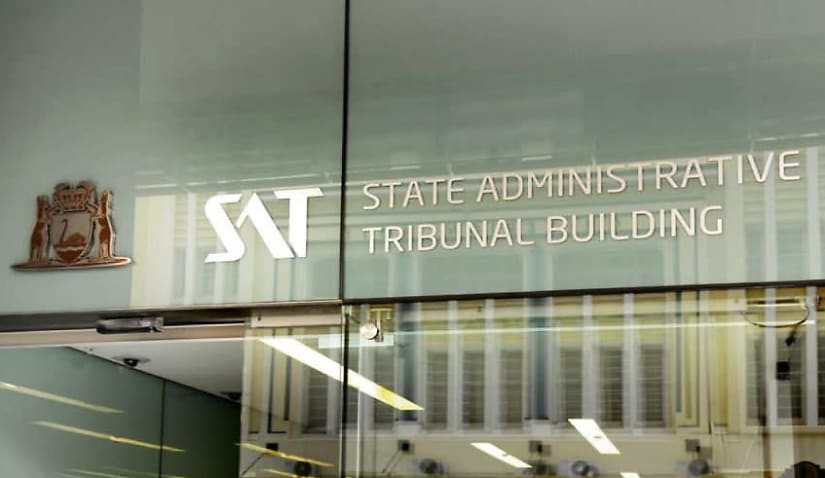

David Alan Earnshaw will be penalised for conduct described by the State Administrative Tribunal of Western Australia (WASAT) as sufficiently serious and likely seen as “disgraceful and dishonourable by practitioners of good repute and competence”.
For each of the three estates, Earnshaw demonstrated a pattern of prolonged delays, failures to execute the administration, and leaving beneficiaries waiting for progress and their entitlements.
In respect of two of the estates, Earnshaw was found to have failed to apply for a grant of probate from the Supreme Court and failed to deposit trust money into the general trust account of his firm, Earnshaw and Associates Lawyers, as soon as practicable.
The first estate concerned the mother of a 21-year-old man who suffered distress as a result of Earnshaw’s conduct, on top of financial hardship. Due to Earnshaw’s repeated failures, the man was forced to resort to engaging lawyers to act on his behalf.
Earnshaw did not offer a reasonable explanation.
The excuses he did make – largely related to pressures of work and inadequate review systems – “could not, and do not, explain the extent of Earnshaw’s failures to completely administer the estate with due diligence or fulfil his duties to the … beneficiaries, over such a lengthy period of time”, WASAT said.
“Indeed, Earnshaw’s conduct overall is so egregious that it would bring the legal profession into disrepute,” deputy president Judge Fiona Vernon determined, along with senior member Dr Michelle Evans-Bonner and general member Rochelle Lavery.
WASAT was also critical of Earnshaw’s failure to respond to frequent attempts by beneficiaries to contact him.
The beneficiaries of the last estate reported sufficient distress to the point they gave up on pressing him for administration. Like with the first estate, there was no reasonable explanation.
Despite many opportunities to do so, Earnshaw did not file a response to the disciplinary application, nor any evidence in his defence. He also has not admitted any of the allegations.
Citation: Legal Services and Complaints Committee and Earnshaw [2026] WASAT 145.

