

Powered by
MOMENTUM
MEDIA

Lawyers were among the professionals targeted as part of AUSTRAC’s investigation into coordinated mortgage fraud that is potentially worth hundreds of millions of dollars.
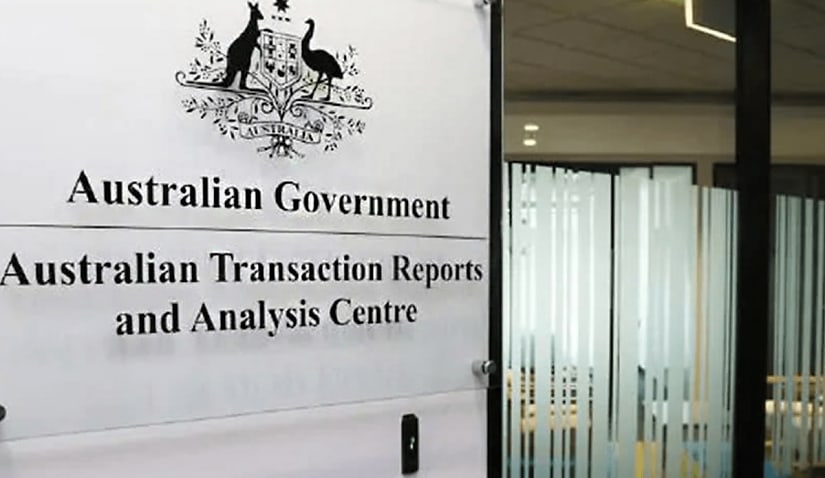

Individuals and entities potentially involved in suspected fraudulent loans, most linked to Sydney properties, have been provided to law enforcement and regulatory agencies, including the Australian Securities and Investments Commission (ASIC), the Australian Taxation Office (ATO), and the Tax Practitioners Office.
AUSTRAC’s Fintel Alliance analysed data from 10 major Australian banks to identify suspected and fabricated or unverifiable business activity used to support loan applications. In some cases, there were repeat uses of mortgage brokers, accountants, and law firms.
Fintel Alliance’s Operation Claw also uncovered that offshore or third-party funds were used to complete settlements and make mortgage repayments, which demonstrated how false income streams and funding arrangements can facilitate access to the Australian market.
“The scale of this activity should be a wake-up call for every lender,” AUSTRAC’s chief executive, Brendan Thomas, said.
“The same warning signs were found across banks that cover the vast majority of Australia’s mortgage market.
“While this project did not identify evidence of widespread money laundering, the weaknesses it exposed could be exploited by criminals seeking to abuse Australia’s financial system.”
Mortgage lenders have been urged to examine their books for signs of fraud, implement strong controls and report suspicious activity.
Given that recovering money becomes “significantly harder” once the loan is established and the funds have been distributed, Thomas told these lenders to take immediate steps before the loan reaches the approval stages.
He added it was not something an institution “can afford to ignore”.
In addition to banks, ASIC, the ATO, and NSW Police, AUSTRAC has worked closely with the NSW Crime Commission, Australian Criminal Intelligence Commission, and APRA.
Bringing these forces together allows patterns to become “clear”, Thomas said.
“Mortgage fraud succeeds when those fragments remain disconnected,” Thomas added.
“Public-private information sharing allows government, banks and law enforcement to identify threats earlier and take coordinated action.”

