

Powered by
MOMENTUM
MEDIA

An NSW barrister who admitted to lying under oath during family law proceedings will spend the rest of his career restrained to the Mental Health Review Tribunal.

Due to behaviour during family law proceedings brought by his ex-wife, the barrister – known only by the pseudonym GWY – was found to have engaged in professional misconduct.
In addition to lying under oath, GWY breached an undertaking not to sell, dispose of, or encumber a property; failed to make financial disclosures; appeared “deliberately evasive” during cross-examination; and provided “inconsistent evidence”.
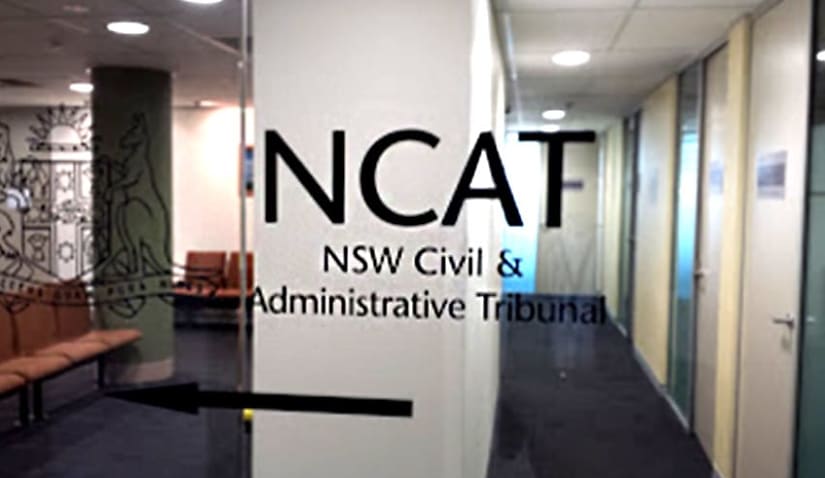
In February this year, the NSW Civil and Administrative Tribunal (NCAT) made scathing comments about GWY, describing his conduct as a “blatant disregard and disrespect for the authority of the court and undermines the relationship of trust between the judiciary and the profession”.
In the penalty decision, senior members Elizabeth Bishop SC and Mark Tedeschi, and general member Elayne Hayes, added that GWY “undermined the trustworthiness reposed in him”, even noting he was engaged in private litigation at the time.
However, they decided against a more substantial penalty, having accepted GWY’s evidence that he had severe financial difficulties, his daughter struggled with significant mental health issues, and his own mental health had deteriorated.
GWY admitted to the misconduct, expressed remorse from an early stage, and noted his “deep shame and sadness” after having read about the original decision in media reports.
“Cancellation or suspension would have a crushing impact on the respondent: it would effectively end his career and deprive him of earning an income which will impact his transition to retire. In other words, to make an order of this kind would be punitive,” Bishop, Tedeschi, and Hayes said.
“While the fact [GWY’s] conduct occurred in a period of significant financial, emotional and mental stress does not in any way excuse his behaviour, it demonstrates that in an otherwise long career at the Bar without any recorded complaints or concerns, the impugned conduct was out of the ordinary for him.”
GWY currently spends a few days each week in the Mental Health Review Tribunal, which NCAT acknowledged provides barristers a lower rate than what might otherwise be obtained.
By imposing a condition on his practising certificate that restricts him to the tribunal, the NCAT bench said it has allowed GWY to benefit from being able to practise law, “but that also contributes to the needs of the community meaningfully”.
“The restriction on his practising certificate to practise only in the Mental Health Review Tribunal will provide the necessary assurance to the public that practitioners who do not meet the standards will have their privilege to practise law significantly curtailed,” they said.
“We are comfortably satisfied that the respondent is not a risk to the profession or community if his practice is limited solely to work in the Mental Health Review Tribunal for the balance of his career, being work which provides a valuable community service but also does not generate the same level of stress involved in general practice at the Bar.”
Citation: Council of the New South Wales Bar Association v GWY (No 2) [2026] NSWCATOD 138.

