
Powered by
MOMENTUM
MEDIA

A patchwork of coronial approaches means the investigation of a First Nations person’s death can look markedly different depending on where it occurs and who is overseeing the inquiry. These inconsistencies raise serious questions about the scrutiny, accountability, and intentions underpinning examinations.

Content warning: This story includes the names of Indigenous people who have died.
Coronial investigations are tasked with examining the circumstances surrounding a death, yet the extent to which that responsibility is carried out when a First Nations person dies has come under scrutiny. Differences between jurisdictions and the approaches of individual coroners have raised deeper concerns about the system’s ability to deliver meaningful inquiries, accountability, and answers for the loved ones left behind.
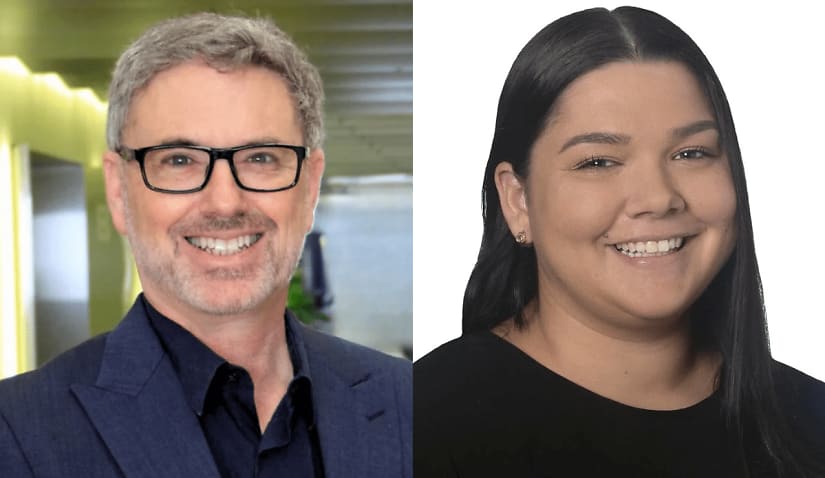
In an interview with Lawyers Weekly, human rights lawyer and National Justice Project chief executive George Newhouse AM said state and territory coronial jurisdictions are inconsistent and the capacity, willingness, and approach of individual coroners to investigate institutional racism, neglect, and systemic failures “varies considerably depending on where you live or die”.
Investigations have “far too often” taken a narrow focus on the immediate circumstances of a person’s death, “without adequately examining the broader systemic failures that may have contributed to it”, Newhouse said. This is particularly apparent in deaths in the healthcare or prison system.
“We encounter a reluctance among some coroners to investigate whether institutional racism contributed to a person’s death, even when families raise specific concerns about racial discrimination,” Newhouse said in the follow-up interview to Lawyers Weekly’s report of his session on the coronial justice system at the 2026 International Access to Justice Forum.
“A coroner might examine whether there was a missed diagnosis, a delay in treatment or a failure to provide appropriate care, but be unwilling to investigate whether racial stereotypes, unconscious bias or discriminatory institutional practices contributed to those failures. Were the patient’s symptoms dismissed? Were there expressions of pain taken seriously? Would a non-Indigenous patient presenting with the same symptoms have received the same standard of care?
“There is a tendency to treat these failures as isolated clinical errors rather than investigate whether they form part of a broader pattern of institutional racism. If coroners are unwilling to investigate racism, how can they determine whether it contributed to a death or make meaningful recommendations to prevent future deaths?”
Newhouse added the National Justice Project has also observed a reluctance to examine racism in the way the deaths themselves are investigated, pointing to the case of Gameroi teenager Mark Anthony Haines, who was found on railway tracks in 1988. It took four decades for his family to receive some answers.
In ruling out suicide as the cause of death, NSW deputy state coroner Harriet Grahame was highly critical of the initial police investigation, writing: “The original investigation was deeply flawed, superficial and inadequate from the outset. It was characterised by a lack of direction, statements taken on an ad hoc basis and nobody driving a coherent investigation.”
Grahame also noted the accounts of racism in Tamworth at the time of Haines’ death, including evidence from Donald Craigie that they were “made to feel like black fellas, we can only ever be the suspect or the criminal, never the victim or the family of a victim deserving of care, respect and dignity”.
Newhouse said therein lies the “fundamental problem” with investigative independence, with coroners frequently relying on police to investigate deaths – including those that occur at their own hands. Beyond being a problem of public confidence, this has raised serious questions about actual and perceived independence, the scope of investigations, and the evidence.
“Systemic racism can contribute to a person’s death, but it can also influence how that death is investigated and whether a family ever receives answers. We cannot expect the coronial system to prevent future deaths if coroners are unwilling to investigate the underlying causes, including institutional racism,” Newhouse said.
During his session at the International Access to Justice Forum, Newhouse reflected on a quote from the ACT Coronial Advocates Group about the “common themes and concerns” from First Nations loved ones, including retraumatisation and dismissal.
Noting this “fairly sums up” what he himself has witnessed, Newhouse said: “[First Nations] people come to the court grieving, traumatised and wanting justice. What passes for justice and people’s concepts of justice are very different to what the court is going to deliver. There’s a total mismatch, and I think that’s something that really needs to be acknowledged as well.”
Gadens’ senior associate – sustainability and social impact, Sharna White, who co-hosted the International Access to Justice session with Newhouse, also told Lawyers Weekly that the coronial process can be “incredibly difficult, particularly for families navigating that process while also grieving the loss of a loved one”.
“I cannot speak for or on behalf of First Nations families who have experienced the coronial system. However, I understand that families may come to the process seeking justice and answers following the death of their loved one, and what the coronial system can provide may not always align with what justice means to them. The process cannot change what has happened, and it may not provide all the answers or recommendations a family is seeking,” White said.
“There may be many reasons for this, including the scope and limitations of the coronial process and what it is able to investigate and determine. For me, one important step is ensuring that First Nations families and their voices are genuinely at the centre of the process; families should feel heard and respected and have a meaningful role throughout.”
White added that there have been some “positive steps” taken by coronial courts. For example, in NSW, hearings have commenced with an Acknowledgement of Country; she observed a smoking ceremony at the beginning of an inquest, and there have been times when an Aboriginal Coronial Support Office was available throughout the proceedings to provide support to the family.
“It is important to acknowledge these steps, while continuing to consider how the system can improve to provide a culturally safe and informed experience for First Nations families,” White said.
The National Justice Project has acknowledged a number of other positive steps, including the reform to the Fines, Penalties and Infringement Notices Enforcement Amendment Bill 2019 (WA), driven by the inquest into Ms Dhu, who died in 2014 while being detained over an unpaid fine. The death of David Dungay Jr also prompted an investigation into the “dysfunctional relationship” between prison guards and medical staff.
In his session, Newhouse identified the Victorian jurisdiction as the “leader” in making improvements, followed by NSW and the “individual coroners in the Northern Territory who are doing an amazing job in the face of government attacks on them”.
On what must follow, Newhouse said the real solution is “an independent, First Nations-led organisation with its own powers and resources to investigate First Nations deaths in custody and healthcare”. He said families should not rely on a system that fails to hold itself, and other government institutions, to account.
Newhouse added governments should be appointing more First Nations coroners and ensure investigations are conducted independently of the institutions involved. First Nations coroners should also be provided with the appropriate authority and support to “properly examine systemic failures and make recommendations that lead to real change”.

