

Powered by
MOMENTUM
MEDIA


The unfair dismissal process has gone digital in a move against AI applications and resulting administrative burden, but lawyers are warning that faster processes won’t dismiss employer accountability.
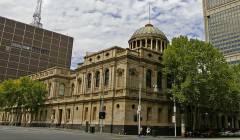
A Victorian law firm has been restrained from acting for a mortgage lender after the Supreme Court of Victoria discovered that allegations of fraudulent mortgage registration created a conflict of interest that threatened the proper administration of justice.

An award-winning boutique firm manager has outlined the dangers of young lawyers falling into the trap of relying on technology.

A Sydney firm was unsuccessful in its appeals against costs assessment determinations after the NSW District Court found no merit in its arguments and was ordered to pay the defendant’s costs.

As criminal allegations often circulate online long before cases reach court, questions continue to be asked about the presumption of innocence, jury impartiality, and the right to a fair trial.

October marks Cyber Security Awareness Month, with technology advancements making firms more wary of risks than ever before.

Global law firm White & Case has elevated 47 lawyers to its partnership, including one Down Under, as the firm moves to invest heavily in its US operations.

Why do capable lawyers hide a disability? Because the processes ask them to disclose first, and the fear of the regulator discourages exactly that, writes Dr Benjamin Koh.

Global law firm HFW has moved to strengthen its global shipping practice Down Under, with the hire of a new partner and consultant out west, who are returning to the firm from BigLaw rival Squire Patton Boggs.

The Victorian state government’s sudden decision to cap fees paid to its barristers is not the first time it has failed to consult with, or heed cautions by, the legal profession’s top brass.