

Powered by
MOMENTUM
MEDIA

True-crime podcasts and online speculation are increasingly shaping public perceptions of criminal cases before they reach trial, raising important questions about the presumption of innocence and the right to a fair hearing.
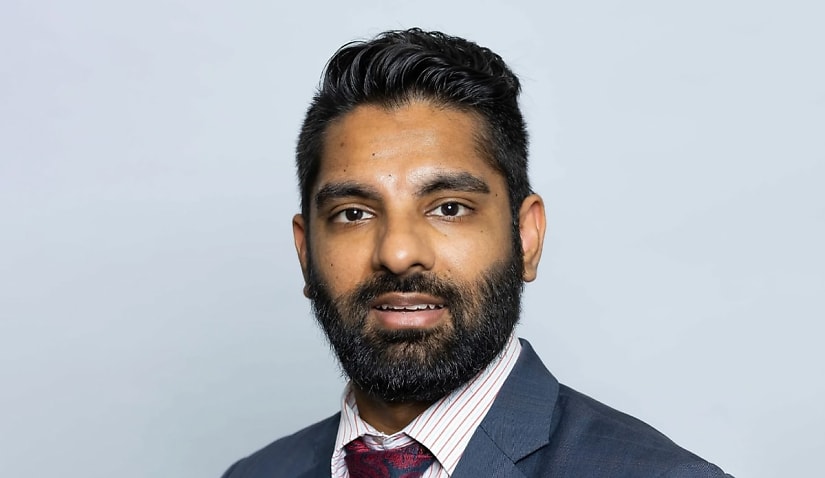

In this episode of The Lawyers Weekly Show, host Jerome Doraisamy speaks with Avinash Singh, principal lawyer at Astor Legal, about the tension between open justice and trial fairness in the digital age, when media coverage and online commentary risk prejudicing potential jurors, the effectiveness of jury directions in an era of widespread digital information, the legal implications of sub judice contempt for journalists and podcasters, and the options available to courts when publicity threatens the integrity of criminal proceedings. They also discuss the imbalance between prosecution narratives and the defence in pre-trial reporting, the role and limitations of suppression and non-publication orders, whether Australia’s current legal framework is equipped to address the challenges posed by true-crime content, and what reforms may be needed to protect the right to a fair trial without unduly restricting freedom of expression and open justice.

If you like this episode, show your support by rating us or leaving a review on Apple Podcasts (The Lawyers Weekly Show) and by following Lawyers Weekly on social media: Facebook, X and LinkedIn.
If you have any questions about what you heard today, any topics of interest you have in mind, or if you’d like to lend your voice to the show, email
Plus, in case you missed them, check out our most recent episodes:

