

Powered by
MOMENTUM
MEDIA

A woman’s battle with her former lawyer has reached the High Court despite major setbacks at every turn.
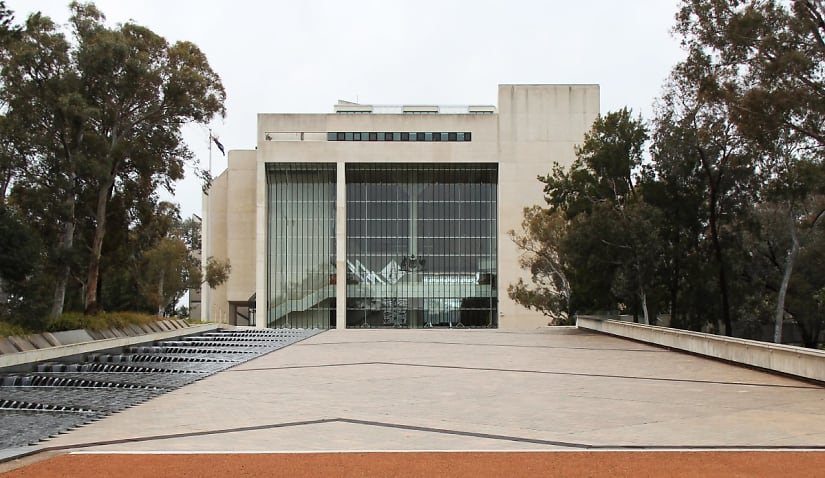

Xiaoli Wang has doggedly pursued a complaint against her former lawyer, Mitchell Ryan Sheehy, concerning his representation during family law property proceedings.
The complaint was first knocked back by the Legal Profession Board of Tasmania, which said it was not satisfied there was a reasonable likelihood Sheehy would be found guilty of either unsatisfactory professional conduct or professional misconduct.
Wang’s subsequent review before the Legal Profession Disciplinary Tribunal concluded with the same finding.
When her legal complaint fell flat in the Supreme Court of Tasmania, and again on appeal, Wang filed an application for special leave to appeal in the High Court of Australia.
In a decision published earlier this month, Justice Michelle Gordon and Justice Robert Beech-Jones refused the application on the grounds that it has “no prospects of success”.
“It is not in the interests of the administration of justice, either generally or in this case, for special leave to appeal to be granted.
“It would accordingly be futile to grant the extension of time that is sought,” Justices Gordon and Beech-Jones said.
Wang’s problem in the Supreme Court proceedings was whether the Legal Profession Act 2007 (Tas) would allow the court to hear the appeal, or whether the Legal Profession Disciplinary Tribunal was “as far as she can go”.
In a decision handed down in January, the Full Court of the Supreme Court of Tasmania said that for Wang to be able to appeal from the tribunal, its decision to dismiss her complaint must have been made under part 4.7 of the act.
Instead, the tribunal’s decision was made under section 458, which is in a “completely different part of the act”.
A reading of this section makes clear that a person making a complaint can appeal to the tribunal or the Supreme Court, but if the person making the complaint chooses to go to the tribunal and not the Supreme Court, “then there is no right of appeal from the tribunal to the Supreme Court”.
“The court simply has no power to hear the appellant’s claim that the tribunal made an error in agreeing with the board,” the Full Court said.
Citation: Wang v Sheehy [2026] HCADisp 184.
