

Powered by
MOMENTUM
MEDIA

A Northern Territory lawyer accused of alleged trust account breaches has failed in his bid to appeal against the Law Society’s decision to appoint a supervisor almost two years later.
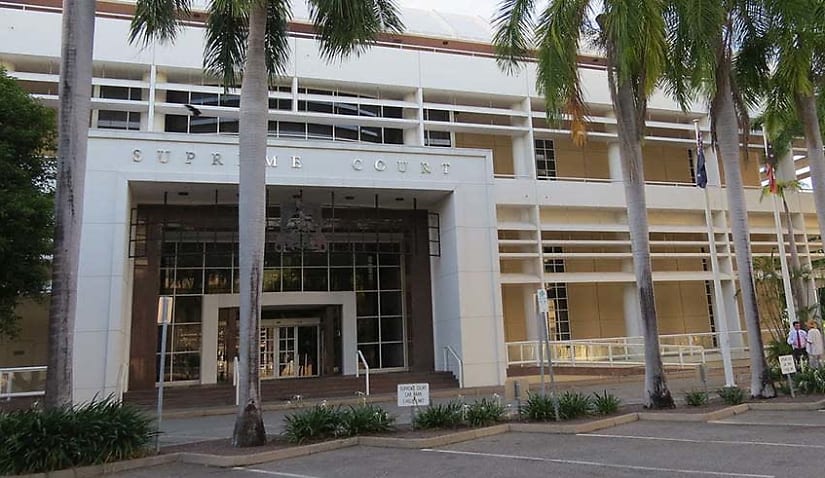

A family lawyer was unsuccessful in his request for an extension of time to appeal against the Law Society of the Northern Territory’s decision to appoint a trust account supervisor on the back of an external examination that allegedly unearthed breaches.
The first appointment was made in February 2025, repeated in June, August, and September, and came to an end last November.
Under section 606(2) of the Legal Profession Act 2006, a notice of appeal must be filed within seven days after a notice of appointment is served on the law practice. The short time frame is necessary given the “significant consequences” from an appointment being set aside.
The lawyer chalked up the delay to the fact that he “did not have sufficient information to determine whether the appeal should be lodged”.
Chief Justice Michael Grant AO said this assertion must be rejected.
“The grounds of the appointment of the supervisor should have been apparent to the applicant from the time the breaches were first identified in the external examination report,” he said.
In addition to the lack of “adequate explanation for the delay”, the Chief Justice was not persuaded by his grounds of appeal and could not identify any material prejudice to the lawyer by his refusal.
The proposed grounds of appeal were directed to the way the supervisor discharged their statutory function, their analysis of the material provided, and decisions on the lawyer’s fitness to practice.
His central contention was that the Law Society relied on matters during this supervision to make decisions affecting his practising certificate.
On ancillary grounds of appeal, the Chief Justice said the manner in which the fees payable were identified in the notice of appointment was “plainly in compliance with the statutory requirement”.
Further, there could be “no misidentification” of the law practice given that trust monies were paid into the relevant account, and the exercise of powers by a supervisor following appointment is irrelevant to the validity of the appointment. There was also no obligation to provide the lawyer with a formal hearing prior to the appointment.

